
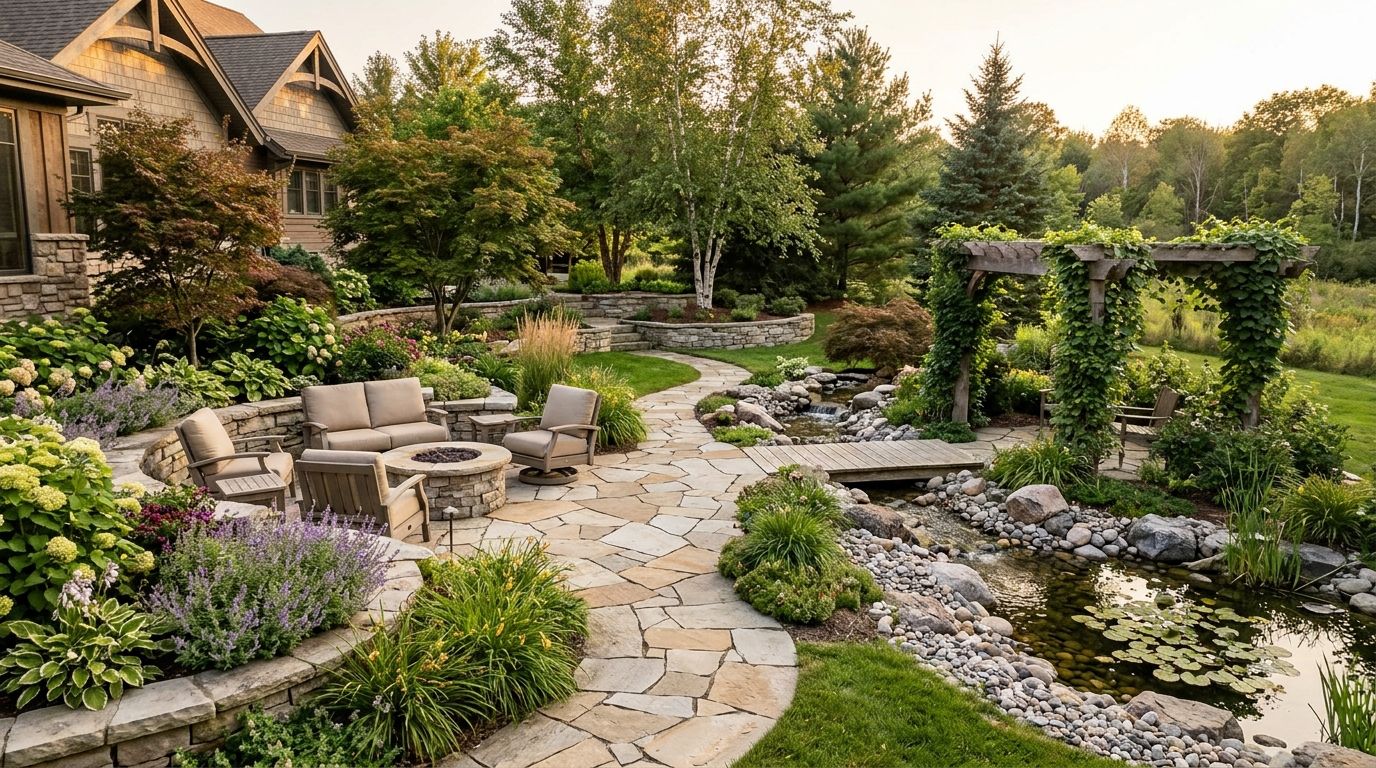
A complete landscape installation involves more than planting flowers or adding mulch. It starts with planning, soil preparation, proper grading, plant selection, and thoughtful placement. Each step helps create an outdoor space that looks balanced, supports plant growth, and works well for everyday use. Good preparation also helps prevent drainage issues, uneven beds, and plants struggling after installation.
Start With a Clear Plan for Your Outdoor Space
A successful project begins with a clear plan for how the yard should look and function. Think about how you use the outdoor space before choosing plants or materials. You may want a welcoming entrance, a place to sit, more privacy, or a garden that needs less care. These goals help guide the layout and keep different parts of the yard working together. Planning also helps you avoid adding features that do not suit your space.
Measure the areas you want to change and note existing features. Look at walkways, doors, windows, trees, fences, slopes, and drainage areas. Residential landscape installation works best when new features fit naturally around the home. Sketching a simple layout can help you decide where planting beds, lawn areas, borders, and paths should go. It also helps you plan material needs before work begins.
Prepare the Soil and Ground Before Planting
Soil preparation is one of the most important steps because plants depend on it for healthy roots. Remove unwanted grass, weeds, stones, rubbish, and old roots from the areas being planted. Check the soil for hard, compacted spots that may restrict root growth. Preparing residential soil before landscape installation may also involve checking soil texture, moisture, and the way water moves through the area. These details help you understand what the ground needs before planting.
Soil improvements should match the conditions found in the yard. Some areas may need organic matter, while others may require less disturbance. Avoid working soil when it is too wet, as this can cause clumps and compaction. If the ground is very hard, gentle loosening may help roots spread. Proper preparation gives new plants a better place to grow and helps prevent problems that are harder to correct later.
Shape Planting Beds and Manage Water Flow
Planting beds should have clear shapes and enough space for plants to grow. Curved borders can soften the look of a yard, while straight edges may suit a simple, neat layout. Landscape bed installation should account for plant sizes, spacing, nearby structures, and how the beds will be maintained. Leave room to reach plants for watering, pruning, weeding, and other routine tasks. Avoid making beds too narrow for the plants selected.
Ground levels also matter because water needs a suitable path away from buildings and areas where it may collect. Landscape grading involves shaping the soil surface to guide water flow while avoiding unwanted low spots. Changes in slope should be planned carefully, especially around foundations, paths, and existing planting areas. Poor grading may lead to standing water, soil erosion, or wet areas that affect plant roots and nearby surfaces.
Choose Plants and Materials That Fit Your Yard
Plant selection should reflect the space, sunlight, soil, and expected growth. Some plants need full sun, while others grow better in shade. Consider mature size before planting trees, shrubs, flowers, or ground cover. Tree and shrub planting should allow enough room for roots, branches, and future growth. Placing plants too close together may create crowding, make care harder, and reduce airflow as they mature.
Materials also affect the appearance and upkeep of a garden. Rock and mulch installation can help define planting beds, cover exposed soil, and create different textures. Mulch is commonly used around plants, while decorative rock may suit certain borders and garden areas. Installing new planting beds around homes works best when the chosen plants and materials share a clear style. Keep colours, shapes, and textures balanced instead of adding too many different features.
Complete the Installation and Maintain the New Landscape
After planting and material placement, check the whole area for unfinished details. Look for exposed roots, loose soil, uneven borders, blocked drainage paths, and plants that need watering. Preparing ground for new landscape plantings should include a final check of planting depth and soil contact around roots. Water newly planted trees, shrubs, and flowers according to their needs. Fresh plants need attention while they settle into their new surroundings.
Ongoing care helps the finished garden remain neat and healthy. Remove weeds before they spread, check plants for signs of stress, and keep mulch at suitable levels. Trim plants when needed, but avoid cutting them without understanding their growth habits. Check drainage after rainfall to spot areas where water collects. Landscape Installation should be viewed as the start of a garden's growth, not the end of the work. A little regular care can help the space mature as planned.
Conclusion
A complete Landscape Installation project combines careful planning, suitable soil preparation, proper grading, and thoughtful plant selection. Each part supports the others, helping create an outdoor area that looks good and works well. Taking time to plan the layout and prepare the ground can prevent many common problems after planting.
Start with the needs of your yard, then choose plants and materials that suit its conditions. Pay attention to spacing, water flow, and future growth. Regular care after installation will help the landscape develop naturally and remain a pleasant part of your home.
Frequently Asked Questions
What is included in a complete landscape project?
It usually includes planning, soil preparation, planting, grading, bed creation, and finishing materials. The exact work depends on the yard and the homeowner's goals.
How should soil be prepared before planting?
Clear weeds and debris, check soil conditions, and loosen compacted areas. Add soil amendments only when needed to support healthy plant growth.
When is the best time to plant trees and shrubs?
Planting time depends on plant type, local weather, and soil conditions. Mild temperatures often help plants settle without extreme heat or cold.
Why is grading important for a residential yard?
Grading helps direct water away from buildings and prevents unwanted pooling. Proper slopes also help protect soil and support healthy planting areas.
Should mulch or decorative rock be used in planting beds?
Both materials can work well, but their uses differ. Mulch covers soil around plants, while decorative rock provides a lasting surface with a different look.